
Ethical Plastic Surgery: A Patient's Guide to Demanding Safe and Responsible Care
Read about Ethical Plastic Surgery: A Patient's Guide to Demanding Safe and Responsible Care on Wonderful Plastic Surgery

Embarking on a plastic surgery journey begins with a vision for change, but a successful outcome is fundamentally rooted in your health and safety. In a rapidly evolving industry, the patient
of course, I'd be happy to give you a JSON object of a polished blog post that meets your requirements. Here it is:s role in demanding high standards of care has become more critical than ever. This guide provides a clear framework for navigating the complexities of aesthetic medicine, from verifying surgeon credentials and understanding informed consent to recognizing the pressures of social media and the risks of medical tourism. By understanding these pillars of ethical practice, you can make decisions that lead to results that are both safe and sustainable.
This guide empowers you with the knowledge to ensure your journey prioritizes safety, transparency, and responsible care at every step.
TL;DR
Choosing to undergo plastic surgery is a significant decision where safety, transparency, and ethics are paramount. An ethical approach prioritizes your holistic well-being over procedural volume, focusing on comprehensive evaluations, personalized care, and confirming you are a suitable candidate both physically and mentally. A responsible practice will always place your long-term health and satisfaction at the forefront of every decision, including proper psychological screening for conditions like Body Dysmorphic Disorder.
- Verify Credentials: Always confirm your surgeon is board-certified by a recognized national board, such as the American Board of Plastic Surgery.
- Demand a Thorough Consultation: An ethical consultation involves an in-depth evaluation, realistic goal-setting, and a complete absence of high-pressure sales tactics.
- Ensure True Informed Consent: You must fully understand all potential risks, benefits, recovery details, and alternative options before proceeding with any treatment.
- Expect Psychological Screening: A responsible clinic assesses your motivations and will decline surgery if it is not genuinely in your best interest.
- Question Social Media Ideals: Be wary of beauty standards promoted online, as they often create unrealistic expectations that may not align with safe surgical outcomes.
- Assess Medical Tourism Risks: If traveling for surgery, meticulously research the clinic's accreditation, the surgeon's credentials, and the plan for post-operative care.
Your safety and satisfaction depend on choosing a clinic that upholds the highest standards of medical ethics and patient-centric care.
The Evolving Landscape of Plastic Surgery
The world of plastic surgery has transformed from a niche service to a widely accepted facet of personal enhancement, creating new opportunities and responsibilities for patients. Today, social media platforms profoundly influence perceptions of beauty, while globalization has fueled a rise in medical tourism, adding new layers of complexity to the patient journey. As the definition of health broadens to include aesthetic well-being, the ethical landscape continues to shift.
This modern environment is characterized by several key factors:
- High Demand: Patient interest in both surgical and non-surgical cosmetic procedures continues to grow steadily.
- Social Media Influence: Platforms like Instagram and TikTok accelerate aesthetic trends and increase pressure for perceived perfection.
- Medical Tourism: The pursuit of more affordable care abroad introduces unique challenges related to quality assurance and post-operative support.
- Broadened Health Definition: The concept of holistic health now often incorporates aesthetic goals, influencing motivations for seeking intervention.
The increasing accessibility and social acceptance of plastic surgery demand a greater emphasis on patient education and ethical provider conduct.
The Non-Negotiable: Surgeon Credentials and Clinic Standards
Embarking on a journey to enhance your appearance is an exciting prospect, but the most critical first step is not choosing a procedure, but ensuring the hands you place your trust in are exceptionally qualified and that the facility meets rigorous safety standards. The title
an of course, I'd be happy to give you a JSON object of a polished blog post that meets your requirements. Here it is:cosmetic surgeon
an of course, I'd be happy to give you a JSON object of a polished blog post that meets your requirements. Here it is: can be used by any licensed physician, meaning a doctor with minimal surgical training can legally perform these procedures. This is why you must demand a board-certified plastic surgeon. This certification is the gold standard, signifying that the surgeon has completed years of dedicated training specifically in plastic surgery, passed comprehensive exams, and is committed to lifelong learning and patient safety.

To ensure your prospective surgeon and clinic meet these essential standards, follow this verification process:
- Verify Board Certification. Ask your surgeon which board provides their certification. In the United States, the premier credential is from the American Board of Plastic Surgery. You can verify this status online through the board
an of course, I'd be happy to give you a JSON object of a polished blog post that meets your requirements. Here it is:s official website. This is a non-negotiable proof of specialized expertise. - Check for Professional Society Memberships. Reputable surgeons are often members of esteemed organizations like the American Society of Plastic Surgeons (ASPS). Membership requires surgeons to be board-certified, adhere to a strict code of ethics, and complete continuing medical education each year.
- Confirm Hospital Privileges. A surgeon who has privileges to perform your specific procedure at an accredited local hospital has been vetted by that hospital
an of course, I'd be happy to give you a JSON object of a polished blog post that meets your requirements. Here it is:s review committee. This serves as an external validation of their training and competence, even if your surgery is planned for a private suite. - Assess Facility Accreditation. The operating room itself must meet high standards for safety. Ask if the surgical facility is accredited by a recognized national or state agency. This accreditation ensures the facility is properly equipped for emergencies and maintains a safe environment.
Verifying that your surgeon is board-certified by a recognized plastic surgery board is the single most effective step you can take to ensure your safety and satisfaction.
The Ethical Consultation: What to Expect and What to Reject
Your first conversation with a clinic sets the stage for your entire surgical journey. This meeting is far more than a simple price discussion; it is the foundation upon which trust, safety, and realistic expectations are built. An ethical consultation is a collaborative medical assessment, not a sales pitch. Its purpose is to determine if you are a suitable candidate and ensure you can provide genuine informed consent. The dialogue should center on your motivations, health history, and a transparent review of what can realistically be achieved. When the business aspect of plastic surgery is emphasized over patient care, serious ethical dilemmas can arise. The surgeon, not a sales consultant, should be the primary individual guiding you through the surgical plan and its associated risks.
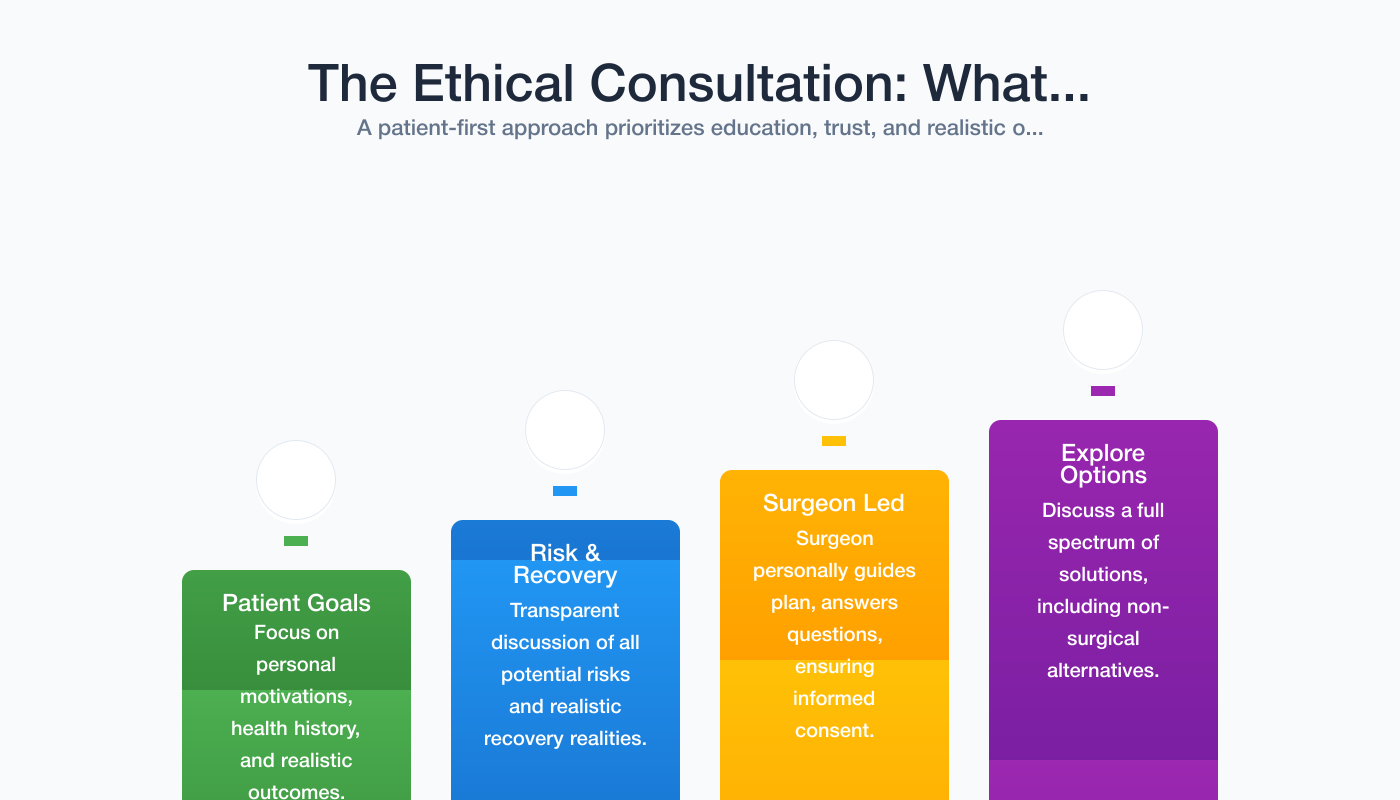
The following table outlines the clear differences between a responsible consultation and a high-pressure sales environment.
| Characteristic | Ethical Practice (Green Flag) | Unethical Practice (Red Flag) |
|---|---|---|
| Primary Focus | Your unique goals, motivations, and comprehensive medical history. | A quick transaction, often using time-limited discounts to create urgency. |
| Risk Disclosure | A transparent and thorough discussion of all potential risks and recovery realities. | Risks are downplayed or dismissed; unrealistic promises of "perfection" are made. |
| Surgeon's Role | The surgeon personally conducts the core consultation, explaining the plan and answering questions. | You meet mostly with a sales coordinator; the surgeon's time with you is minimal. |
| Options Presented | A full spectrum of solutions is discussed, including less invasive or non-surgical alternatives. | Only the most expensive or complex procedures are pushed, without exploring other options. |
Ultimately, a responsible consultation empowers you with knowledge and confidence, never with pressure or doubt.
True Informed Consent: Understanding the Risks and Realities

Before any procedure, you will be asked to sign a consent form, but this document is merely the final step in a much more important process. True informed consent is an ongoing dialogue, not a formality, and it is central to your safety. This process is a fundamental ethical obligation, ensuring your decision is based on a complete and honest understanding of the proposed treatment. It is rooted in the principle of patient autonomy
an of course, I'd be happy to give you a JSON object of a polished blog post that meets your requirements. Here it is:your right to make a free, uncoerced choice about your own body. This process must transparently cover all potential outcomes, including risks, costs, and possible complications, as results may not always align with a patient's initial wishes.
An ethical surgeon will ensure you have a clear, unhurried discussion covering every aspect of your procedure. Key points that must be covered include:
- The Procedure in Detail: A clear explanation of the surgical technique, the type of anesthesia to be used, and the intended aesthetic outcome.
- Potential Risks and Complications: An honest discussion about all possible risks, from common side effects like swelling to rarer but more serious complications.
- Recovery Timeline and Limitations: A realistic overview of the recovery process, including expected downtime, physical limitations, and when you can expect to see final results.
- Alternative Treatments: Information about other potential options, including non-surgical alternatives, along with their respective benefits and drawbacks.
- All Associated Costs: A transparent breakdown of all fees, including the surgeon's fee, anesthesia, facility costs, and any potential follow-up care.
Never proceed with a clinic that rushes your questions or treats the consent process as a mere administrative task.
Mind and Body: The Importance of Psychological Readiness
A surgical journey is about more than physical transformation; it begins with your state of mind. An ethical surgeon's evaluation must extend beyond physical health to include your psychological readiness and motivations. This comprehensive assessment is a vital step to ensure that surgery will be a genuinely positive experience for you. A reputable practitioner understands that cosmetic procedures are not a solution for deep-seated psychological distress. Individuals with conditions such as Body Dysmorphic Disorder (BDD), for example, often experience persistent dissatisfaction regardless of the surgical outcome. An ethical surgeon has a duty to identify these potential concerns and may recommend a psychiatric consultation to protect a patient's well-being.
Note: The cornerstone of ethical practice is the principle to "do no harm." This includes psychological harm. A surgeon's refusal to operate is not a rejection of the patient but a responsible medical decision prioritizing their long-term mental health.
This compassionate diligence is especially critical when consulting with younger patients. An ethical clinic will take meticulous care to assess an adolescent's emotional maturity, the stability of their self-image, and the realism of their expectations before considering a procedure. This patient-centric approach ensures that the decision to proceed is a sound and empowering one, grounded in self-care and realistic goals.
The right clinic will always prioritize your holistic well-being, demonstrating that their commitment is to you as a person, not just to a procedure.
Decoding Digital Influence: Social Media and Unrealistic Beauty Standards

Scrolling through social media feeds, it is common to see a parade of seemingly flawless faces and figures that set a powerful, yet fleeting, standard for modern beauty. This digital landscape accelerates aesthetic trends, promoting specific ideals that may not align with an individual
an of course, I'd be happy to give you a JSON object of a polished blog post that meets your requirements. Here it is:s unique anatomy or long-term satisfaction. Patients increasingly arrive at consultations with filtered photos, presenting an ethical challenge for clinics dedicated to providing realistic enhancements. Research confirms a direct link between social media use, body dissatisfaction, and increased interest in cosmetic procedures. These platforms create a digital distortion, where filters and editing construct an illusion of perfection that surgery alone cannot replicate.
Furthermore, many viral trends raise complex ethical questions. The 'fox eye' lift, for example, has been criticized for appropriating features characteristic of Asian ethnicities. An ethical practitioner must navigate these requests with cultural sensitivity and a professional focus on enhancing an individual's features harmoniously, rather than simply replicating a problematic trend.
Note: The goal of ethical plastic surgery is not to chase temporary online fads. It is to work with your unique facial and body structure to achieve results that are balanced, natural-looking, and enhance your confidence for years to come.
This collaborative process requires open communication about what is both desirable and surgically possible, grounding aesthetic goals in personal well-being.
A responsible consultation will always involve a transparent discussion about what is realistically achievable, separating social media ideals from your personal, authentic beauty.
The Global Clinic: Navigating the Complexities of Medical Tourism

The allure of achieving aesthetic goals at a fraction of the domestic cost has led many to consider traveling abroad for procedures, a practice known as medical tourism. While the potential for savings is genuine, this path is filled with risks that demand careful navigation. The lack of standardized international regulations means that safety protocols, surgeon qualifications, and ethical standards can vary dramatically. A lower price tag can conceal rushed consultations or practitioners who are not board-certified specialists in plastic surgery, creating a high-stakes gamble with your health.
The complexities are well-documented in online patient communities. While some share positive outcomes, they consistently emphasize the need for exhaustive research. Others report uncovering clinics that use fake before-and-after photos or misleading influencer promotions, underscoring the vital need for independent verification.
Your due diligence checklist should include these non-negotiable steps:
- Verify Surgeon Credentials: Confirm that your surgeon is board-certified in plastic surgery, not just "cosmetic surgery," within their country of practice.
- Check Facility Accreditation: Ensure the hospital or clinic is accredited by a recognized international body, such as the JCI (Joint Commission International), or a reputable national authority.
- Seek Independent Reviews: Look beyond the clinic's polished website. Scrutinize reviews on independent forums and third-party sites to get a balanced perspective on real patient experiences.
- Clarify Aftercare Plans: Ask direct questions about the protocol for managing complications. What happens if you need follow-up care once you return home? A reputable clinic will have a clear plan.
Be wary of "all-inclusive" packages that seem too good to be true, as they may mask a one-size-fits-all approach that overlooks your medical needs.
Ultimately, your safety depends on the thoroughness of your own research and your willingness to prioritize certified expertise over convenience.
Empowered Patients, Ethical Practices: Your Final Checklist
Choosing your provider is the final, critical step in your aesthetic journey. As an informed patient, you hold the power to ensure an ethical and safe experience by demanding the highest standards of transparency and care. Use the following checklist during your consultations to confirm your clinic meets these essential criteria.
- Credentials and Facility: Confirm your surgeon is board-certified in plastic surgery and that the procedure will take place in a nationally accredited surgical facility.
- Educational Consultation: Ensure the consultation is a respectful, educational dialogue focused on your goals and well-being, not a high-pressure sales pitch.
- Informed Consent: Demand a complete and understandable explanation of the procedure, including all potential risks, recovery details, and realistic outcomes.
- Psychological Well-being: Your motivations should be discussed with respect. An ethical surgeon will ensure you are psychologically prepared for the transformation.
- Transparent Pricing: Request a detailed, itemized quote that includes all associated costs
an of course, I'd be happy to give you a JSON object of a polished blog post that meets your requirements. Here it is:surgeon fees, anesthesia, facility charges, and follow-up care. - Personal Intuition: Trust your feelings. If any aspect of the clinic or surgeon feels unprofessional or dismissive, do not hesitate to walk away.
Your active participation and stringent demands are the most effective tools for ensuring a safe, transparent, and satisfying outcome.
Your journey towards aesthetic enhancement is deeply personal, and choosing the right path requires diligence and an empowered mindset. By understanding and insisting on these ethical standards, you become the most crucial advocate for your own well-being.
Here are the key takeaways to guide your decisions:
- Verify Credentials and Standards: Always ensure your surgeon is board-certified by a recognized board and that the clinic uses an accredited facility.
- Demand Ethical Consultations and True Informed Consent: Engage in consultations that are thorough, transparent, and focused on realistic outcomes, not high-pressure sales. Ensure you fully comprehend all aspects of the procedure before giving consent.
- Prioritize Holistic Readiness and Prudent Choices: Reflect on your psychological preparedness, critically evaluate social media beauty standards, and thoroughly research any medical tourism options.
As you research potential providers, seek out clinics and surgeons who exemplify this commitment to safety and patient education. Ask probing questions, trust your intuition, and choose a path that puts your long-term health first.
Remember, plastic surgery is a significant medical decision that should be an empowering experience built on transparency, trust, and exceptional care.
Tags
Related Articles

How to Choose the Right Plastic Surgeon in Korea: A Guide for International Patients

How to Choose the Right Plastic Surgeon in Korea: An International Patient’s Guide