
How to Prepare for Plastic Surgery Abroad: A Comprehensive Checklist
Read about How to Prepare for Plastic Surgery Abroad: A Comprehensive Checklist on Wonderful Plastic Surgery

Over 750,000 Americans journey abroad for medical procedures annually, often for cosmetic surgery driven by significant cost savings. The alluring prospect of combining a beauty transformation with an international experience is undeniably appealing.

However, this exciting opportunity carries inherent risks, ranging from varying medical standards and surgical practices to the critical dangers of post-operative travel and recovery. This comprehensive, data-driven checklist is designed to empower you with essential questions and precise steps, guiding you to make an informed, confident, and safe decision on your journey to ideal beauty. A safe and successful outcome in medical tourism is not a matter of chance, but the direct result of meticulous planning and diligent research.
TL;DR
Meticulous preparation is crucial for safe plastic surgery abroad. Here's your essential safety summary:
- Vetting is Non-Negotiable: Confirm your surgeon's board certifications and the facility's international accreditation (e.g., JCI). Quality is paramount.
- Full Financial Picture: Budget for travel, accommodation, post-op care, and a contingency fund. Complications can cost over $18,000 to treat locally (Plastic and Reconstructive Surgery, 2017).
- Safe Recovery: Allow 7-14 days in-country. Avoid strenuous activity; flying too soon risks life-threatening blood clots (American Board of Cosmetic Surgery).
- Post-Care Plan: Secure a local doctor for follow-up and have all your surgical records ready.
- Recognize Red Flags: Avoid clinics that prevent pre-surgery meetings with your surgeon or lack clear post-operative care plans.
Meticulous preparation is the key to mitigating risks for a successful and empowering medical journey abroad.
The Rise of Medical Tourism: Why Patients Travel for Plastic Surgery
The allure of plastic surgery abroad is a rapidly growing global phenomenon. Patients increasingly seek aesthetic enhancements beyond their borders, driven by compelling factors that combine affordability with high-quality care. This rise in medical tourism reflects a pragmatic approach to personal well-being.
Significant cost savings are a primary driver. Procedures abroad can often be obtained for a fraction of the price found in countries like the United States. For example, cardiac surgery in Thailand might cost $23,000 compared to $88,000 in the U.S. (AARP), illustrating the substantial financial benefit across medical fields.
The scale of this movement is impressive. The Centers for Disease Control (CDC) reports that over 750,000 US residents travel abroad for medical treatments annually. Among these, cosmetic surgery is remarkably popular, accounting for approximately 25% of the global medical tourism market, valued at around $47 billion (Statista).
These patients are often discerning, well-educated professionals who seek exceptional overall value, encompassing both medical quality and service, not just a low price. Research on patients traveling to Colombia for surgery, for instance, showed a majority were managers and professionals who valued both excellence and accessibility.
Certain nations have cultivated strong reputations as premier destinations for aesthetic procedures. Countries like Colombia are recognized for specialized expertise and advanced facilities, attracting a high percentage of international patients. This global network offers diverse options for those pursuing their ideal beauty goals.
The global trend of medical tourism is driven by a compelling combination of cost, quality, and accessibility for discerning patients seeking empowering transformations.
Beyond the Brochure: Understanding the Real Risks
Considering plastic surgery abroad often begins with the allure of lower costs. Yet, a truly informed decision requires looking beyond the brochure to fully grasp the potential risks involved. While the upfront price may seem appealing, it can obscure substantial hidden dangers that jeopardize a patient's health and finances.
Medical standards and safety protocols can vary dramatically between countries and facilities. A significant concern is the risk of acquiring bloodborne infections, such as Hepatitis B or HIV, due to improper sterilization techniques or the reuse of needles. The Association for Professionals in Infection Control and Epidemiology (APIC) consistently highlights these dangers, alongside the potential for encountering antibiotic-resistant bacteria, which are more prevalent in some regions. Facilities might lack robust accreditation from internationally recognized bodies like Joint Commission International (JCI), or even simple essentials like clean water or adequate waste disposal.
The journey itself presents unique health threats. Traveling long distances too soon after surgery significantly increases the risk of serious complications like deep vein thrombosis (DVT), or blood clots. The American Board of Cosmetic Surgery explicitly warns against this, noting that prolonged immobility can lead to life-threatening embolisms. Recovery requires rest and minimal exertion, not the stresses of travel.
Financially, the 'bargain' of overseas surgery can quickly evaporate if complications arise. A compelling study by UT Southwestern researchers revealed that the average cost of treating complications from medical tourism, when managed back in the U.S., exceeded $18,000. Crucially, your domestic health insurance will typically not cover the costs associated with revising a cosmetic procedure performed abroad, leaving patients to bear the full financial burden. The estimated annual burden of these complications on the U.S. healthcare system alone was $1.33 billion in one year, underscoring the magnitude of this issue.
Furthermore, logistical challenges can compound medical issues. Language barriers are common, potentially leading to critical miscommunications about pre-operative instructions, post-operative care, or symptom reporting. Should a serious problem occur, pursuing legal recourse for malpractice in a foreign country is often complex, costly, and can be entirely ineffective, leaving patients with little to no legal protection. Complications can range from minor issues like hematoma and seroma to severe wound breakdown and intractable infections, further emphasizing the need for meticulous planning.
Note: Thorough research into a facility's accreditation, surgeon's credentials, and emergency protocols is paramount to mitigate these documented risks.
Your health and well-being are priceless, making a comprehensive risk assessment an absolutely essential step before committing to surgery abroad.
Your 5-Stage Vetting and Planning Checklist
Embarking on a journey for plastic surgery abroad demands a structured approach to ensure both safety and successful outcomes. A systematic, five-stage framework is the most effective way to manage your experience, guiding you through every critical step from initial research to post-operative planning. Recommendations from leading organizations like the CDC and ISAPS consistently support a checklist-based method for patient safety.
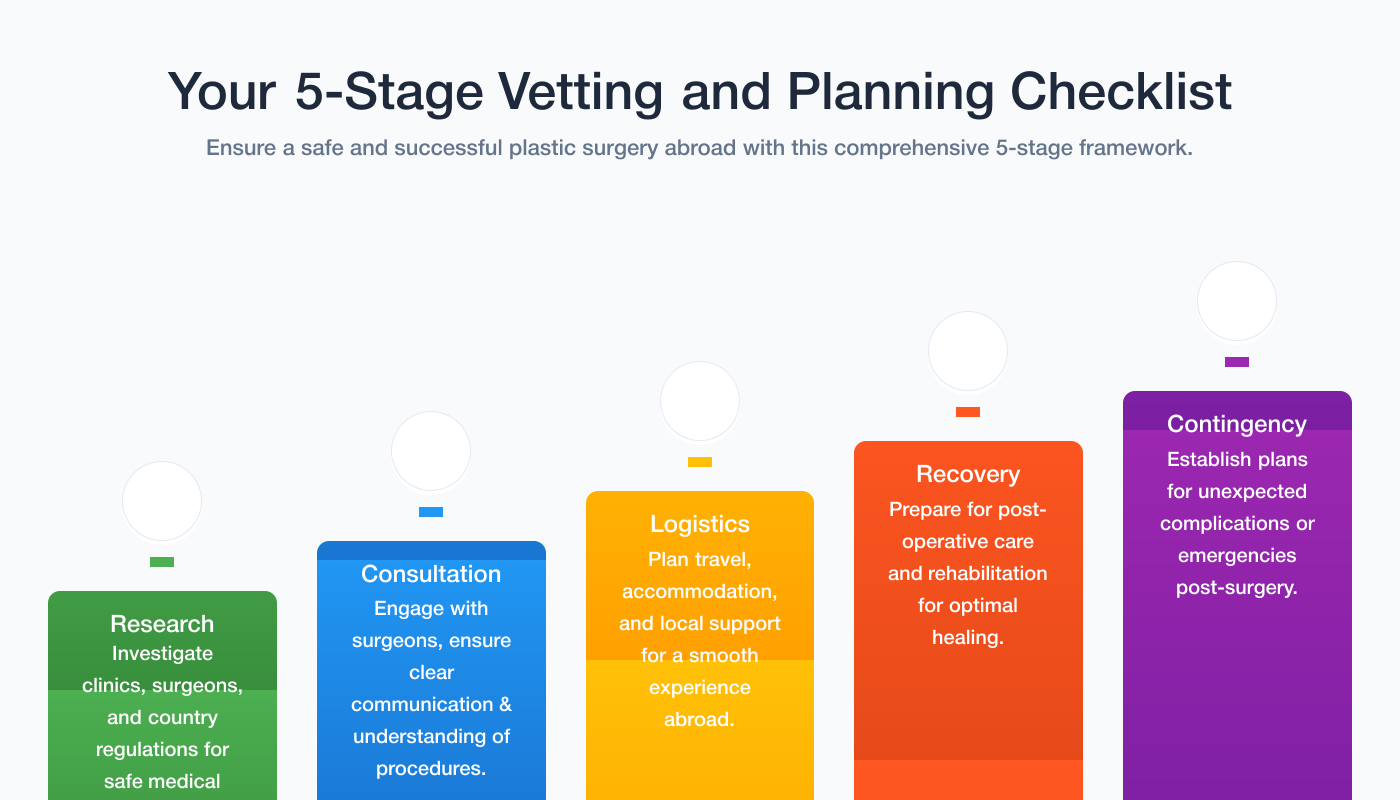
- Research: Investigate clinics, surgeons, and country-specific regulations.
- Consultation: Engage with potential surgeons, ensuring clear communication and understanding.
- Logistics: Plan travel, accommodation, and local support.
- Recovery: Prepare for post-operative care and rehabilitation.
- Contingency: Establish plans for unexpected complications or emergencies.
This deliberate process removes emotion from decision-making, ensuring no critical safety or logistical detail is overlooked. Successful outcomes are consistently attributed to strict protocols and careful planning. Following this five-stage checklist provides an empowering path toward a secure and positive experience.
Frequently Asked Questions (FAQs)
As you consider plastic surgery abroad, it's natural to have lingering questions that require direct, transparent answers. Demystifying the process by addressing common concerns helps reinforce key safety messages and empowers you to make informed decisions.
How much can I realistically save?
Savings can be significant, often ranging from 30-70% compared to equivalent procedures in Western countries. However, this varies widely based on the country, procedure, and clinic reputation. It is vital to obtain a detailed, all-inclusive quote and factor in the costs of flights, accommodation, an extended stay for recovery, and crucial contingency funds before comparing prices.
What if I have a complication back home?
This is a critical consideration. While your standard health insurance will generally cover a life-threatening emergency, it will almost certainly not cover the costs of revising an elective cosmetic result or treating non-life-threatening complications from a procedure performed abroad. This underscores the absolute necessity of having a robust contingency fund and arranging for local follow-up care with a physician aware of your procedure.
Can I combine my surgery with a vacation?
While the idea of a "surgical holiday" sounds appealing, it is strongly advised against. The days leading up to surgery should be for rest, hydration, and mental preparation, not sightseeing. The weeks immediately following surgery are for healing and recovery, during which your body is vulnerable to infection, exhaustion, and complications from overexertion. Prioritizing your recovery ensures the best possible outcome.
Where can I find trustworthy patient reviews?
Navigating patient reviews online requires discernment. Public forums like Reddit can be helpful, but many users warn of suspicious posts or altered photos. For truly authentic insights, seek out private, procedure-specific groups on platforms like Facebook or WhatsApp. In these vetted communities, members often share more candid experiences and genuine advice.
Note: Always prioritize safety and due diligence over cost when planning your medical journey.
Making an informed decision about surgery abroad requires asking difficult questions and seeking unbiased answers.
Embarking on a journey for plastic surgery abroad presents a unique opportunity, blending personal transformation with cultural exploration. As this guide has meticulously outlined, achieving safe and successful outcomes is the direct result of proactive planning and informed decision-making. Your health and well-being must always remain your paramount concern.
To navigate the complexities of international medical tourism with confidence, remember these essential points:
- Prioritize Rigorous Vetting: Always confirm your surgeon's board certifications and the facility's international accreditation (e.g., JCI). This due diligence ensures you receive care from highly qualified professionals in a recognized, safe environment.
- Plan Beyond the Procedure: Account for the full financial scope, including travel, accommodation, extended post-operative recovery time (7-14 days in-country), and a contingency fund for any unforeseen complications. Rushing home too soon can pose serious health risks.
- Secure Your Continuum of Care: Establish a clear post-operative care plan with a local physician before your departure. Ensure you have comprehensive surgical records and can readily identify any red flags, such as clinics that prevent pre-operative consultations with your surgeon.
While the allure of combining a medical procedure with travel is understandable, approach this decision with careful consideration, not impulsivity. Your next step is to empower yourself with the knowledge from this checklist by seeking out medical providers who exemplify transparency, offer certified expertise, and prioritize patient safety above all else. True value in medical tourism is measured by safety and quality, not just cost savings.
Tags
Related Articles

How to Choose the Right Plastic Surgeon in Korea: A Guide for International Patients

How to Choose the Right Plastic Surgeon in Korea: An International Patient’s Guide