South Korea Plastic Surgery: A Guide to Navigating Safety Standards
Read about South Korea Plastic Surgery: A Guide to Navigating Safety Standards on Wonderful Plastic Surgery

South Korea's global reputation in plastic surgery often conjures images of dazzling aesthetic transformations. Yet, beneath the surface of these remarkable results lies an equally impressive, though frequently overlooked, commitment to rigorous safety and ethical medical practice.
Thousands of individuals from across the globe are drawn to South Korea, seeking its advanced techniques and highly skilled surgeons for their aesthetic journeys. It stands as a true nexus of cosmetic innovation and personalized care.
Navigating this vibrant landscape requires an informed approach to ensure a secure and empowering experience. This comprehensive guide is designed to be your trusted companion, illuminating the essential safety measures, robust regulatory frameworks, and practical considerations vital for international patients.
Our goal is to equip you with the knowledge needed to make confident choices, ensuring your pursuit of ideal beauty in South Korea is not only transformative but also wonderfully safe and transparent.
The Global Hub of Cosmetic Transformation: Why South Korea?
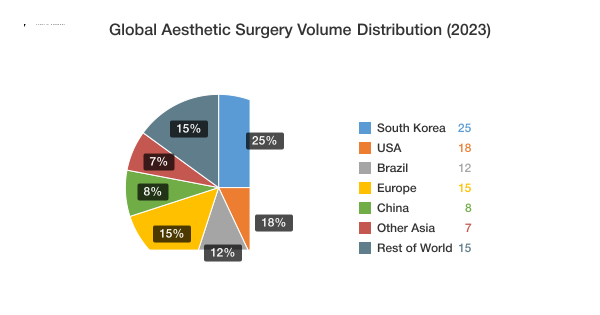
South Korea stands as the undisputed global leader in cosmetic surgery, often hailed as a 'Beauty Wonderland' for those seeking aesthetic enhancements. This dominance isn't merely anecdotal; approximately 25% of all aesthetic surgeries worldwide are performed here, illustrating the immense scale and influence of its industry (Survey ISAPS Global Survey 2023). It's a deeply ingrained aspect of society, with roughly 1 in 5 South Koreans having undergone a cosmetic procedure.
This prevalence is rooted in a unique cultural landscape. The "K-face" phenomenon, heavily influenced by the global popularity of K-pop, places a significant emphasis on certain beauty ideals, leading to a destigmatization of cosmetic procedures. The open embrace of aesthetic pursuit fosters an exceptionally high demand. Consequently, South Korea boasts the highest density of plastic surgeons globally, with over 2,700 specialists serving a population of 51 million (World Population Review 2025).
A walk through Seoul's iconic Gangnam district offers a visual testament to this phenomenon, where approximately 500 plastic surgery clinics populate per square mile (The Echo News 2024). This unparalleled concentration of expertise and facilities makes South Korea a compelling destination, but it also underscores the critical need for international patients to meticulously navigate safety standards.
Choosing wisely is paramount for a successful and secure aesthetic journey in this advanced hub.
Understanding South Korea's Medical Safety Framework

The foundation of South Korea's appeal lies not just in its volume of procedures but also in its robust medical safety framework. The country's medical system is highly advanced, with many clinics and hospitals achieving international recognition through certifications such as JCI accreditation (universalmedicaltravel.com). This signals a profound commitment to global benchmarks in patient care and safety.
Surgeons in South Korea undergo exceptionally rigorous training, a cornerstone of professional excellence. The path to becoming a board-certified plastic surgeon involves:
- Completing medical school.
- Undertaking highly competitive residency programs.
- Engaging in specialized training in plastic and reconstructive surgery.
- Passing challenging board certification examinations.
Reputable surgeons are typically members of prestigious professional organizations like the Korean Society of Plastic and Reconstructive Surgeons (KSPRS) or the International Society of Aesthetic Plastic Surgery (ISAPS), which uphold stringent ethical and professional standards (bookimed.com). Beyond the practitioners, the Ministry of Food and Drug Safety (MFDS) plays a crucial role, meticulously regulating cosmetic products and overseeing safety management, including ingredient requirements and manufacturing practices (cosmetic.chemlinked.com).
Note: Verifying a surgeon's board certification and clinic's accreditation is a vital step for any prospective patient.
This comprehensive web of regulation and professional oversight forms the bedrock of patient safety and quality in South Korea's cosmetic surgery sector.
Mitigating Risks: Beware of 'Ghost Doctors' and Unscrupulous Practices
While South Korea offers advanced cosmetic solutions, navigating its highly competitive market requires vigilance to mitigate specific risks. One of the most concerning dangers is the presence of 'ghost doctors'—unqualified individuals who perform surgery instead of the highly certified surgeon initially consulted (placidway.com). This deceptive practice profoundly compromises patient safety and ethical standards.
The intense competition can also fuel aggressive or misleading advertising, pressuring patients into hasty decisions or creating unrealistic expectations. Coupled with historically weaker regulations in some areas, this environment has unfortunately allowed less reputable clinics and unlicensed practitioners to operate, potentially jeopardizing patient safety and outcomes. While government efforts are continuously underway to strengthen patient protections, individual awareness remains critically important.
Caution: Always confirm that the surgeon you consult will be the exact same person performing your procedure from start to finish.
To proactively protect your well-being, patients must insist on meeting their surgeon directly, meticulously verifying their credentials, and confirming their presence throughout the entire surgical process. Ensuring your chosen surgeon is legitimately licensed and certified is a non-negotiable step.
Diligent verification is your most powerful tool to ensure a truly safe and ethical experience.
Choosing Your Clinic and Surgeon: A Step-by-Step Approach

Embarking on a plastic surgery journey in South Korea offers incredible opportunities for aesthetic enhancement, yet the choice of clinic and surgeon is the most critical decision you will make. A systematic approach to researching clinics and surgeons, coupled with clear communication, is paramount for a safe and satisfactory outcome. This careful diligence empowers you to navigate the process with confidence.
Here's how to ensure you select the best partners for your transformation:
Research Clinic Reputation and Accreditations: Prioritize clinics with a strong, positive reputation and international accreditations. Look for certifications like JCI (Joint Commission International) or KAHF (Korean Accreditation Program for Hospitals and Healthcare Facilities), which signify adherence to global safety and quality standards (abplasticsurgerykorea.com). Review patient testimonials, focusing on consistent themes of positive experiences.
Verify Surgeon Credentials and Expertise: Confirm your surgeon is board-certified by reputable organizations such as the Korean Society of Plastic and Reconstructive Surgeons (KSPRS) or equivalent national bodies like ABPS (American Board of Plastic Surgery). Investigate their specific experience in your desired procedure, noting any professional memberships like ISAPS or ASPS.
Conduct Direct Consultations: Schedule comprehensive online or in-person consultations. This is your opportunity to assess the surgeon's communication style, ensure they genuinely understand your aesthetic goals, and clarify exactly who will perform your surgery. It's crucial to confirm the surgeon you consult with will be the surgeon operating on you.
Note: A common concern addressed on independent forums like Reddit is "ghost surgery." Always ask explicitly who will perform the entire procedure to avoid this unethical practice and ensure your safety.
Examine Genuine Before-and-After Photos: While clinic websites offer curated content, seek out independent forums and verified patient communities for genuine before-and-after photos and unvarnished testimonials. Be wary of overly perfect or generic results. This helps set realistic expectations.
Inquire About International Patient Services and Costs: For international patients, specialized support is invaluable. Ask about multilingual staff, dedicated patient coordinators, and comprehensive pre/post-operative care packages. Always request a detailed cost breakdown to understand if you are receiving an all-inclusive package or if there will be itemized billing (bookimed.com). Transparent pricing is a hallmark of an ethical clinic.
Taking these deliberate steps will profoundly impact your experience and results, ensuring your journey is both safe and personally rewarding. Making an informed choice is your most powerful tool for achieving your desired outcome.
Popular Procedures and Value: What to Expect
South Korea has long established itself as a global hub for cosmetic enhancements, drawing individuals seeking unparalleled expertise and precision in aesthetic procedures. This reputation is built on a foundation of innovative techniques and a highly specialized medical community. When exploring options, many find that facial aesthetics are paramount among patient requests.
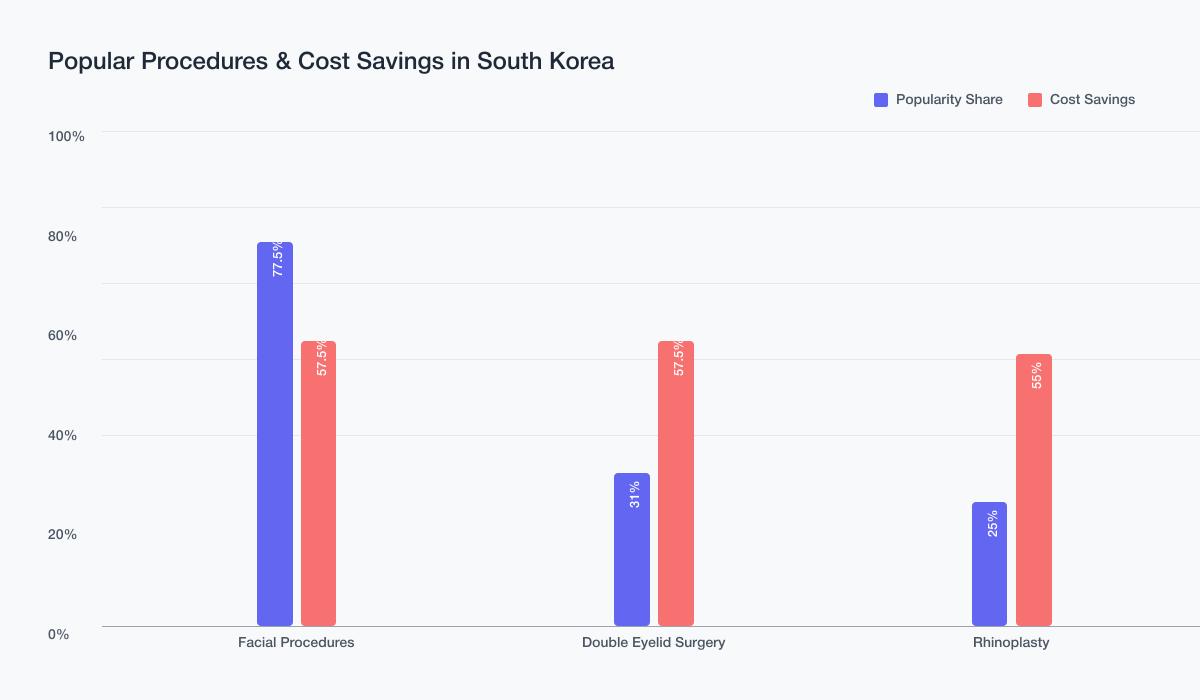
Indeed, facial procedures dominate the landscape, accounting for an impressive 77.5% of all plastic surgeries in the country. Among these, double eyelid surgery (blepharoplasty) is the most sought-after, making up 31% of all operations, followed closely by rhinoplasty. Korean surgeons are celebrated for their sophisticated, minimally invasive approaches, such as the 3-point subcutaneous tunneling method for eyelids or intricate facial contouring performed through tiny 5mm incisions (bookimed.com, 2024).
Beyond the advanced techniques, a significant draw for many is the remarkable value. Procedures in South Korea typically cost 40%-75% less than comparable treatments in the US or Western Europe. For instance, a rhinoplasty might range from $3,000-$7,000 in South Korea, a substantial saving when compared to an average of $11,000 in the US (placidway.com, 2024). Many top-tier clinics further enhance this value by offering comprehensive, all-inclusive packages that cover everything from initial consultations and medical tests to the surgery itself, post-operative care, and often even translator services, accommodation, and airport transfers. This holistic approach significantly simplifies the process, making the journey seamless for international patients.
South Korea truly combines world-class surgical expertise with accessible, transparent pricing, making it a compelling destination for aesthetic transformations.
Preparing for Your Journey: Travel, Recovery, and Support

Your journey to aesthetic transformation in South Korea begins long before you step on the plane. Careful preparation ensures a seamless experience. For most Western tourists, 90-day visa-free entry is standard, but it’s crucial to verify specific nationality requirements well in advance to avoid any last-minute complications.
Plan for an extended stay of at least 7-14 days post-surgery. This timeframe is widely recommended by medical travel platforms like Placidway (2024) and allows for essential initial healing and follow-up appointments. For accommodation, many reputable clinics partner with hotels, or you might consider a dedicated recovery house. Budgeting around $50-100/night for guesthouses or $100-200/night for mid-range hotels offers comfortable options.
Effective communication is vital. While many top clinics provide English-speaking staff or translation services, an independent medical translator can offer an added layer of confidence and clarity during consultations and post-op discussions.
Note: Standard travel insurance typically does not cover elective cosmetic surgery procedures. We strongly recommend securing specialized medical tourism insurance, as highlighted by Bookimed (2024), to safeguard against unforeseen medical eventualities during your trip.
Finally, a thorough understanding of your post-operative care plan is paramount. Anticipate common recovery symptoms such as swelling, bruising, and discomfort during the initial week or two, as outlined by Universal Medical Travel (2024). Comprehensive pre-travel planning and understanding recovery logistics are vital for a truly empowering plastic surgery experience abroad.
Real Patient Experiences: Navigating Expectations and Outcomes

Embarking on a plastic surgery journey in South Korea is often a path filled with hope and excitement, yet real patient experiences underscore the critical importance of realistic expectations. While countless individuals achieve their desired aesthetic goals, some encounters highlight that cosmetic surgery is never a guaranteed outcome, and results can vary significantly.
Testimonials frequently describe initial satisfaction with procedures like double eyelid surgery or fat grafting. However, other accounts reveal more complex journeys, such as unexpected sagging after facial contouring or a chin that felt "cut too short" (reddit.com/r/cosmeticsurgery, 2024). These experiences often involve prolonged swelling, facial numbness, or even temporary inability to eat, reminding us that recovery is a process with its own unique challenges.
Note: Communicating your aesthetic goals clearly to your surgeon is paramount. Korean beauty standards, such as the preference for an ultra-V jawline, might differ from Western ideals, making precise articulation of your vision essential to avoid misunderstanding.
Dealing with complications or dissatisfaction can be particularly challenging. Some patients report surgeons claiming the "outcome was good" despite their concerns, demanding a "full revision price" for adjustments even when the initial result falls short of expectations. This emphasizes the critical need for diligent research, a deep understanding of your own anatomy, and avoiding rushed decisions.
A successful aesthetic journey fundamentally relies on thorough preparation and a clear, shared understanding of desired results.
Frequently Asked Questions About Korean Plastic Surgery Safety
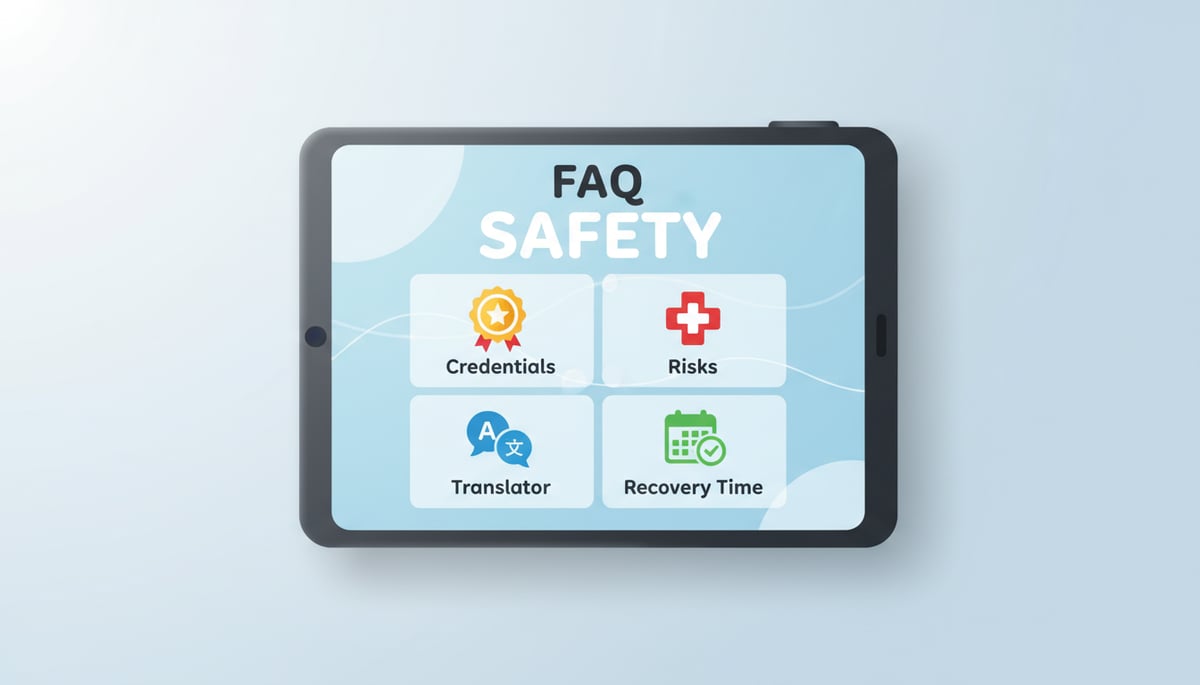
Navigating the landscape of international plastic surgery inevitably brings forth important questions regarding safety and practicality. Addressing these common inquiries provides immediate clarity and reinforces critical information for prospective patients.
How can I verify a surgeon's credentials?
Always seek board certification from recognized bodies like the Korean Society of Plastic and Reconstructive Surgeons (KSPRS) or the American Board of Plastic Surgery (ABPS). Membership in international societies such as ISAPS further validates expertise (abplasticsurgerykorea.com, 2024).What are the common risks involved?
Standard surgical risks include infection, scarring, and complications related to anesthesia. Dissatisfaction with results is also a possibility. Choosing certified, experienced professionals significantly minimizes these risks.Is it necessary to have a translator?
While many top clinics employ English-speaking staff, having a dedicated translator for complex medical discussions can ensure complete clarity and prevent any misunderstandings (placidway.com, 2024).How long should I stay in South Korea for recovery?
A minimum stay of 7 to 14 days is generally recommended. This duration allows for initial healing, essential follow-up checks, and the removal of stitches, depending on the complexity of your procedure.
Making informed decisions about your well-being begins with transparent answers to crucial safety questions.
Embarking on a cosmetic journey in South Korea, a global hub for aesthetic excellence, offers an unparalleled opportunity for personal transformation. However, this transformative path is best navigated with thorough preparation and informed decisions. This comprehensive guide has aimed to illuminate the essential safety measures, robust regulatory frameworks, and practical considerations, ensuring your pursuit of beauty is matched with the highest standards of safety, ethical practice, and comprehensive care.
To ensure your experience is both secure and deeply satisfying, keep these key takeaways in mind:
- Always verify a clinic's adherence to South Korea's stringent medical safety framework and confirm national certifications, guaranteeing legitimate and high-quality care aligned with global standards.
- Be vigilant against unscrupulous practices, including the grave risk of 'ghost doctors,' and insist on confirming your surgeon's identity and credentials for complete transparency.
- Select a reputable clinic and an experienced, board-certified surgeon who offers personalized consultations, clear communication, and a patient-centric approach for a secure and deeply satisfying experience.
Ultimately, achieving your aesthetic goals should be a journey that elevates your confidence without ever compromising your well-being. With diligence and informed choices, your experience with enhanced beauty in South Korea can be a truly empowering and positive transformation.
As you thoughtfully consider your options for aesthetic enhancement, we strongly encourage you to conduct thorough research, ask detailed questions, and seek personalized consultations. Look for institutions renowned for their ethical practices, transparent pricing, and unwavering commitment to patient safety and satisfaction. Taking this proactive and informed approach will empower you to discover your ideal beauty solutions with complete peace of mind, entering a truly trusted "Beauty Wonderland."
Tags
Related Articles

How to Choose the Right Plastic Surgeon in Korea: A Guide for International Patients
How to Choose the Right Plastic Surgeon in Korea: An International Patient’s Guide